Outboard Motor Maintenance Schedule 101: What to Service and When
A practical outboard motor maintenance schedule covering oil, filters, spark plugs, gearcase lubricant, cooling systems, storage, and routine inspections.

Regular maintenance is one of the simplest ways to protect an outboard motor’s performance, reliability, and service life. Whether you run a fishing boat every weekend or use your boat seasonally, a consistent maintenance schedule can help catch small problems before they become expensive repairs.
Why an Outboard Maintenance Schedule Matters
An outboard motor operates in a demanding environment: saltwater, freshwater, heat, vibration, moisture, fuel, and changing loads all put stress on the engine and its components. Maintenance is about more than changing oil. It includes inspecting the cooling system, lubricating moving parts, checking the propeller and gearcase, protecting electrical connections, and preparing the motor for periods of storage.
After Every Use
- Flush the cooling system according to the engine manufacturer’s instructions, especially after saltwater use.
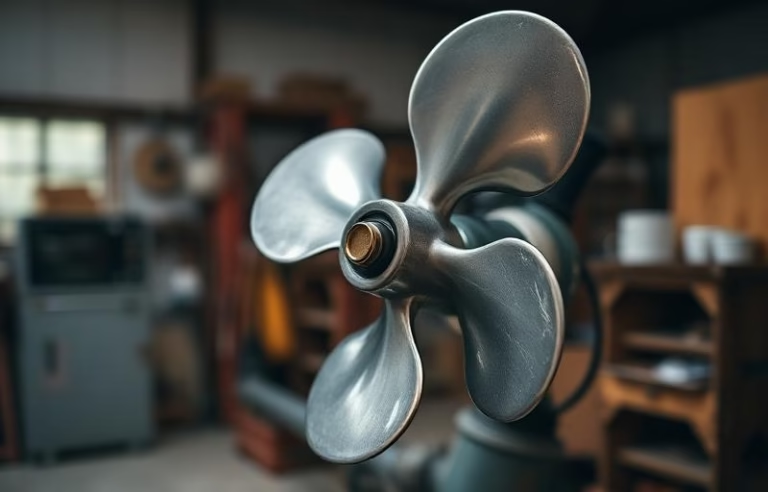
- Inspect the propeller for fishing line, weeds, dents, cracks, or other damage.
- Look for fuel, oil, or gear-lubricant leaks.
- Check the telltale stream and watch for unusual warning lights, alarms, or engine behavior.
- Rinse exposed salt or grime from the exterior and keep the motor properly positioned for drainage when stored.
Every 50–100 Hours or at the Manufacturer’s Recommended Interval
Service intervals vary by engine, so your owner’s manual should always take priority. For many modern four-stroke outboards, routine service commonly includes an engine-oil change, oil-filter replacement, inspection of the fuel system, and checks of belts, hoses, fasteners, and steering components.
- Change engine oil and the oil filter at the specified interval.
- Inspect or replace fuel filters as required.
- Inspect spark plugs and replace them when the service schedule calls for it.
- Check the gearcase lubricant for proper level and signs of water contamination.
- Inspect the propeller, propeller nut, cotter pin or retaining hardware, and prop shaft.
- Inspect battery terminals, cables, and electrical connections.
Cooling System Checks
Overheating can quickly damage an outboard, which makes cooling-system inspection especially important. Keep the water inlets clear of debris and make sure the telltale stream is normal. If the engine shows an overheating warning, loses its cooling stream, or behaves differently from normal, shut it down as appropriate and investigate the cause before continuing to operate it.
Propeller and Lower-Unit Maintenance
The propeller is exposed to impacts and underwater debris, while the lower unit contains gears and bearings that depend on clean lubricant. Remove the propeller periodically to inspect the shaft for fishing line and other wrapped material. Check the propeller for damage and verify that the hardware is correctly installed and secured.
Before Seasonal Storage
If the boat will sit for an extended period, follow the storage procedure specified for your exact engine. Depending on the model, that can include stabilizing fuel, servicing the engine oil, protecting the fuel system, inspecting the battery, lubricating specified points, and protecting the motor from moisture and corrosion.
Signs Your Outboard Needs Attention
- Hard starting or repeated starting attempts.
- Rough idle, hesitation, or loss of power.
- Unexpected smoke, warning alarms, or overheating indications.
- Oil or fuel leaks.
- Milky or contaminated gearcase lubricant.
- Unusual vibration or propeller noise.
- Difficulty shifting or steering.
Keep a Simple Maintenance Log
Record the date, engine hours, service performed, parts installed, and any symptoms you noticed. A maintenance log makes it easier to follow factory intervals, prepare for seasonal storage, and give a technician useful information if a problem develops.
Final Takeaway
The best outboard maintenance schedule is the one you actually follow. Use your owner’s manual as the authority for exact service intervals and specifications, and combine scheduled service with quick inspections after every outing.
Looking for a replacement engine or planning an upgrade? Explore new and used outboard motors at Shop Outboard Motors and compare options for your boat.